Elder Abuse
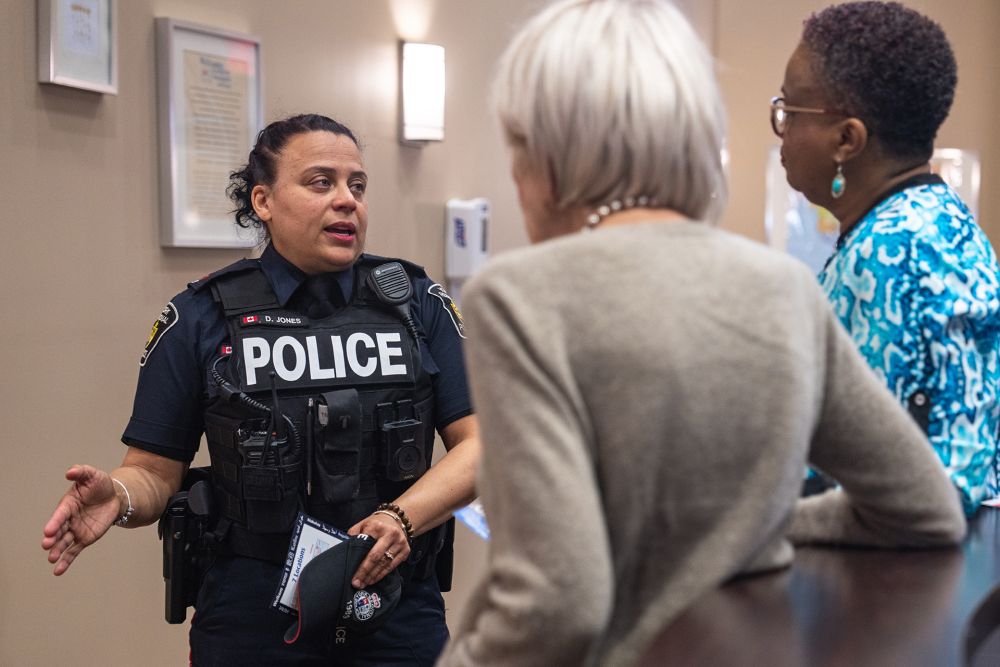
Elder abuse is more common than many people think — and it often goes unnoticed. It happens when someone in a position of trust harms a senior or fails to meet their basic needs.
The person responsible could be a family member, friend, neighbour or caregiver. Because elder abuse is often hidden, it can be difficult to recognize — but knowing the warning signs can make a difference.
What is elder abuse?
Elder abuse is any action — or lack of action — that puts an older adult’s health, safety or well-being at risk. It can take many forms, and often involves ongoing patterns of behaviour.
Types of elder abuse
Physical abuse
This includes actions like pushing, shaking, hitting, restraining or overmedicating.
Emotional abuse
This can involve insults, threats, humiliation or isolating someone from family and friends. It may also include taking away their ability to make decisions.
Neglect
Neglect happens when a person is denied basic needs, such as food, medical care, shelter, clothing or mobility aids like walkers or glasses.
Sexual abuse
Any unwanted or non-consensual sexual activity is considered abuse.
Financial abuse
This includes stealing money, misusing debit or credit cards, forging signatures or improperly using power of attorney.
Recognize the signs
Recognizing the warning signs early can help protect someone from further harm.
Elder abuse can be difficult to talk about, but help is available. If something doesn’t feel right, trust your instincts and reach out. Support services can provide guidance, protection and a path forward.
Signs of physical abuse
- Unexplained cuts, bruises, burns or fractures
Signs of emotional abuse
- Withdrawal, depression, anxiety or fear
Signs of neglect
- Poor hygiene
- Inadequate clothing
- Unsafe living conditions
- General decline in health
Signs of financial abuse
- Missing cash or belongings
- Unusual bank withdrawals
- Suspicious credit card activity
- Forged documents or misuse of authority


