CCTV Community Cameras
How it works
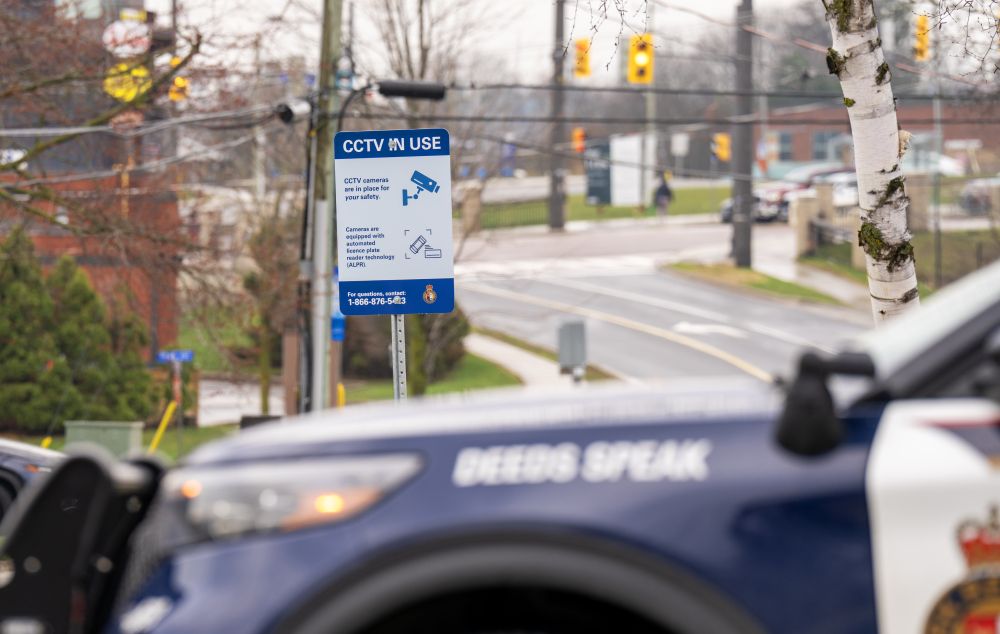
York Regional Police closed-circuit television (CCTV) community cameras are installed in public spaces where they can help support investigations and improve public safety.
These cameras record video that police can use to help solve a crime following an incident in the area. Cameras are also equipped with technology that automatically identifies license plates, which assists police in locating stolen vehicles or other vehicles that may be connected to criminal activity.
Camera locations are selected based on data, including crime trends and the assessment of specific community needs.
Protecting your privacy
Protecting your personal privacy is important to York Regional Police.
Cameras are positioned to capture activity in public spaces only. They are restricted form recording footage of private dwellings, such as the inside of homes or backyards.
Video footage is stored for a limited time and accessed when required to support an investigation. CCTV monitoring is governed by provincial legislation, including the Municipal Freedom of Information and Protection of Privacy Act, the Human Rights Code, and in compliance with guidelines from the Information and Privacy Commissioner of Ontario.
Frequently asked questions
Commonly asked questions about the CCTV community camera program.
Are cameras monitored live?
In most cases, cameras are not monitored until police require support for an investigation or operation, or an incident has been reported.
Do cameras replace police officers?
No. Cameras are a tool to support public safety and investigations, and do not replace frontline policing or emergency response.
Who can access CCTV footage/related data?
York Regional Police will maintain access to the data. Information collected will support law enforcement, police investigations, or under the provisions of the Municipal Freedom of Information and Privacy Act (MFIPPA) and released according to the standards set by MFIPPA.
How long is footage stored?
All video footage is retained for roughly 72 hours, unless records are sought to support an investigation.