Victim Support Services
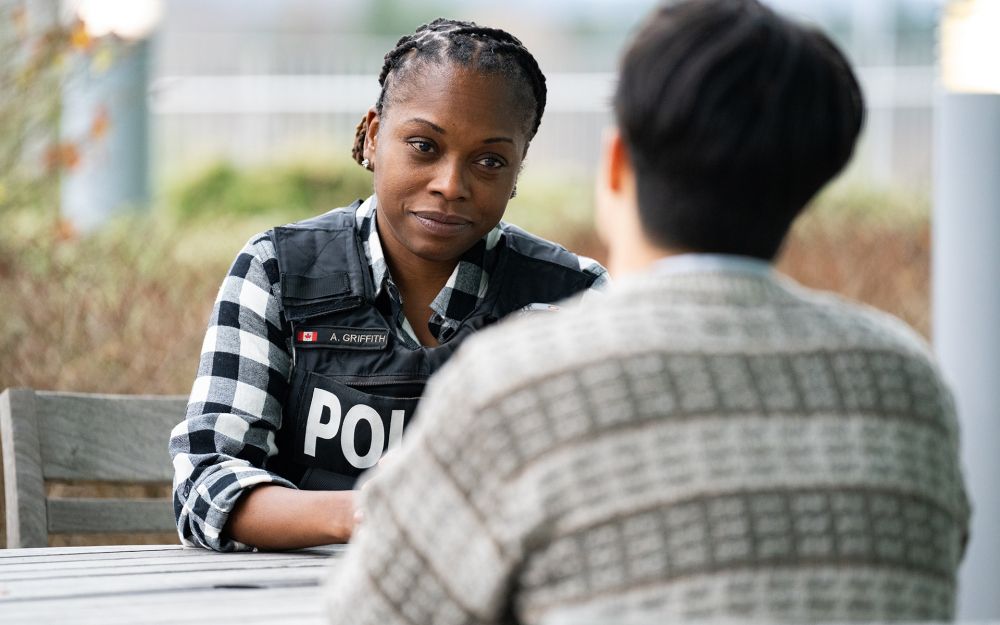
Are you the victim of a crime?
A victim is a person who has suffered physical or emotional harm, property damage, or economic loss as a result of a crime committed by another person. If a victim has died, or is not able to act on his or her own behalf, the victim may be represented by:
- The victim's spouse
- An individual who has lived with the victim as his or her common law partner for at least one year prior to the victim's death
- A relative or dependent of the victim
- Anyone who has custody of the victim or the victim's dependent
Exception
No person who has been charged in relation to the incident may act on behalf of a victim.
After a crime has been committed, a victim has rights to information, protection, participation and restitution under the Canadian Victims Bill of Rights.
In April 2015, the federal government passed Bill C-32, the Victims Bill of Rights Act. This law made a number of changes to the Corrections and Conditional Release Act. Victims can:
- Receive information from the Correctional Service of Canada (CSC) about an offender's correctional plan and progress toward meeting the objectives of the plan;
- Have CSC provide access to a photograph of the offender prior to certain releases into the community; and
- Request access from the Parole Board of Canada (PBC) to listen to an audio recording of a parole hearing if unable to attend in person
CSC and PBC have modernized how registered victims can access information. The Victim's Portal is a secure website where registered victims may obtain information about the federal offenders who harmed them. Victims may use the portal in addition to, or instead of, the current methods of communication by phone and mail. The portal will also allow registered victims to manage their information and preferences online.
Who can I contact?
Victim Services of York Region
Victim Services of York Region and York Regional Police work in partnership to provide emotional support and practical assistance to persons victimized by crime or traumatic circumstances. Staff members provide crisis response, telephone assistance and referrals to community agencies that offer long-term counselling and financial support.
Victim Quick Response Program + (VQRP+)
Victims may be eligible for VQRP+, which offers support to help cover emergency and essential expenses, funerals and counselling costs. This newly enhanced program, delivered by Victim Services of York Region, is designed to support victims and families whose lives have been impacted by violence, including intimate partner violence,
Victim Services of York Region
16775 Yonge Street
Suite 207
Newmarket, ON L3X 2P8
905-953-5363
York Region Centre for Community Safety (YRCCS)
YRCCS is a collaboration of community agencies dedicated to building a safer community for those affected by violence, including intimate partner violence, family violence and human trafficking. On-site staff provide transition and housing services and crisis support to victims in one location.
York Region Centre for Community Safety (YRCCS)
25 Deverill Court, Suite 107
Markham, ON L6GX 0C7
Local: 905-836-7601 ext. 100
Toll free: 1-855-541-2220
Additional Resources
24-Hour Crisis Support
Assaulted Women's Helpline
1-866-863-0511
Children's Aid Society
1-800-718-3850
Kids Help Phone
1-800-668-6868
Women's Support Network
1-800-263-6734
310-COPE – Crisis Services (Your Support Services Network)
1-855-310-COPE (2673)
Victim Services of York Region
905-953-5363
Emergency Shelters and Housing Services
Blue Door Shelters
1-888-554-5525
LOFT (Leap of Faith Together)
416-979-1994
Sandgate Women's Shelter
1-800-661-8294
The Salvation Army Sutton Youth Shelter
1-877-972-0898
Yellow Brick House Women's Shelter
1-800-263-3247


