Different uniform, same mentality: Former Seneca Athletes bring teamwork to YRP
For Special Constable Gabrielle Wicks and Auxiliary Constable Taylor Stewart, the skills they developed as Seneca athletes continue to influence their work with York Regional Police.
We spoke to Wicks, a former volleyball player, and Stewart, a former softball player, about their athletic backgrounds and experiences with YRP.
Special Constable Gabrielle Wicks
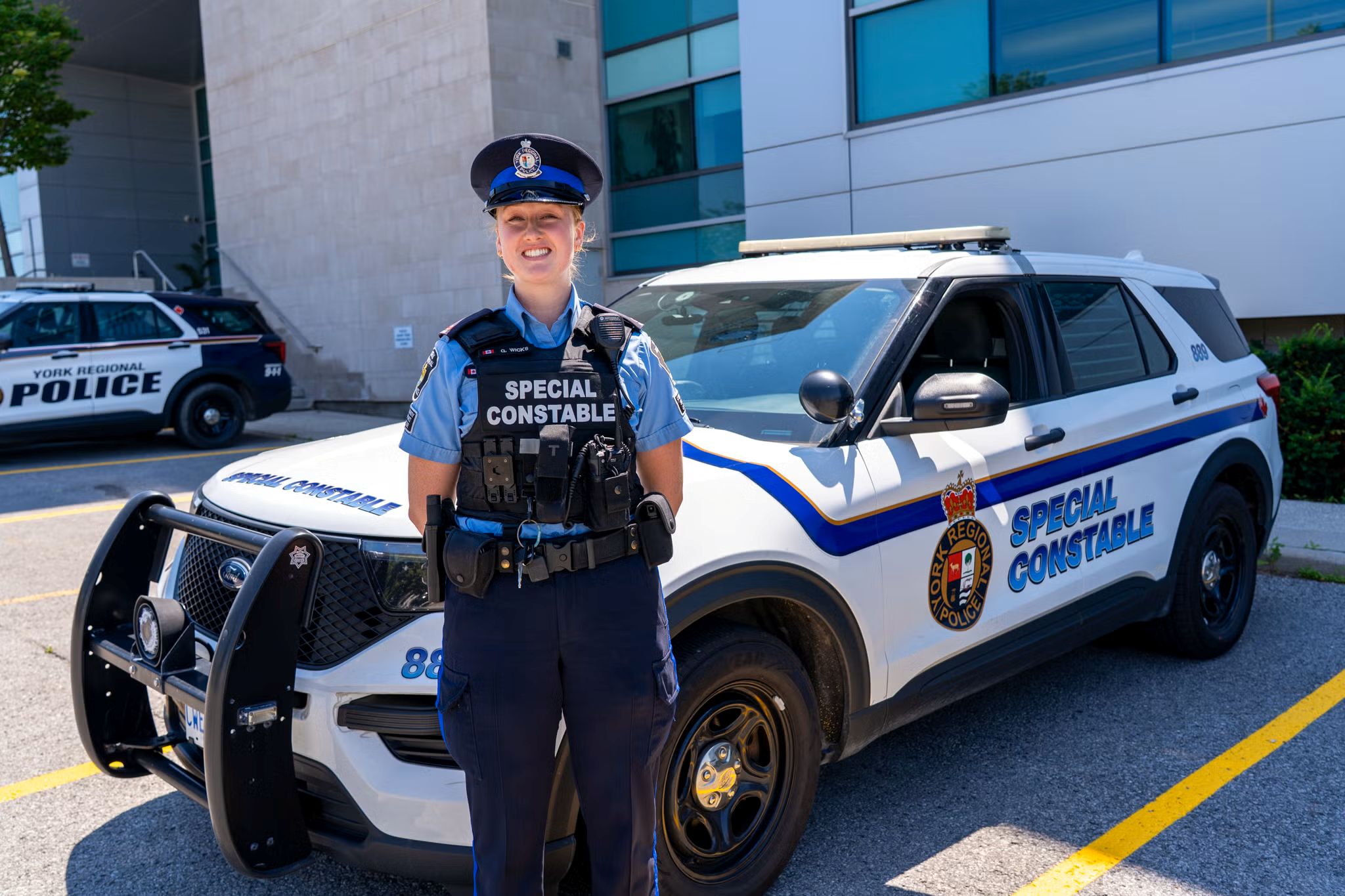
Q: What makes a strong team?
A: “Good leadership, respect and the drive to achieve a common goal.”
Q: How has volleyball prepared you for working as a special constable?
A: “Special constables on the road work very closely with police officers, so you need to be able to work with others, communicate clearly and assist where needed.”
Q: How do you respond to setbacks?
A: “Setbacks happen in sport, work and life, but they’re also opportunities to learn and grow. In volleyball, if you’re down against a tough team, you use a timeout, communicate with your coaches and make a new game plan. You have to work together, especially when things get difficult.”
Q: What do you think people sometimes underestimate about women in policing?
A: “I think people sometimes underestimate the ability women have to see the human side of a situation. There’s a real value in having a calm presence and being able to build trust quickly. Whether you’re a call taker, a civilian member or an officer, it’s important to have those diverse perspectives and that’s something women bring to the table.”
Q: What skills from athletics have stayed with you the most?
A: “Leadership, teamwork and learning how to work with different personalities. Athletics taught me how to work with all kinds of people while maintaining respect for everyone on my team. Those are skills that are important not just in policing, but in everyday life.”
Auxiliary Constable Taylor Stewart
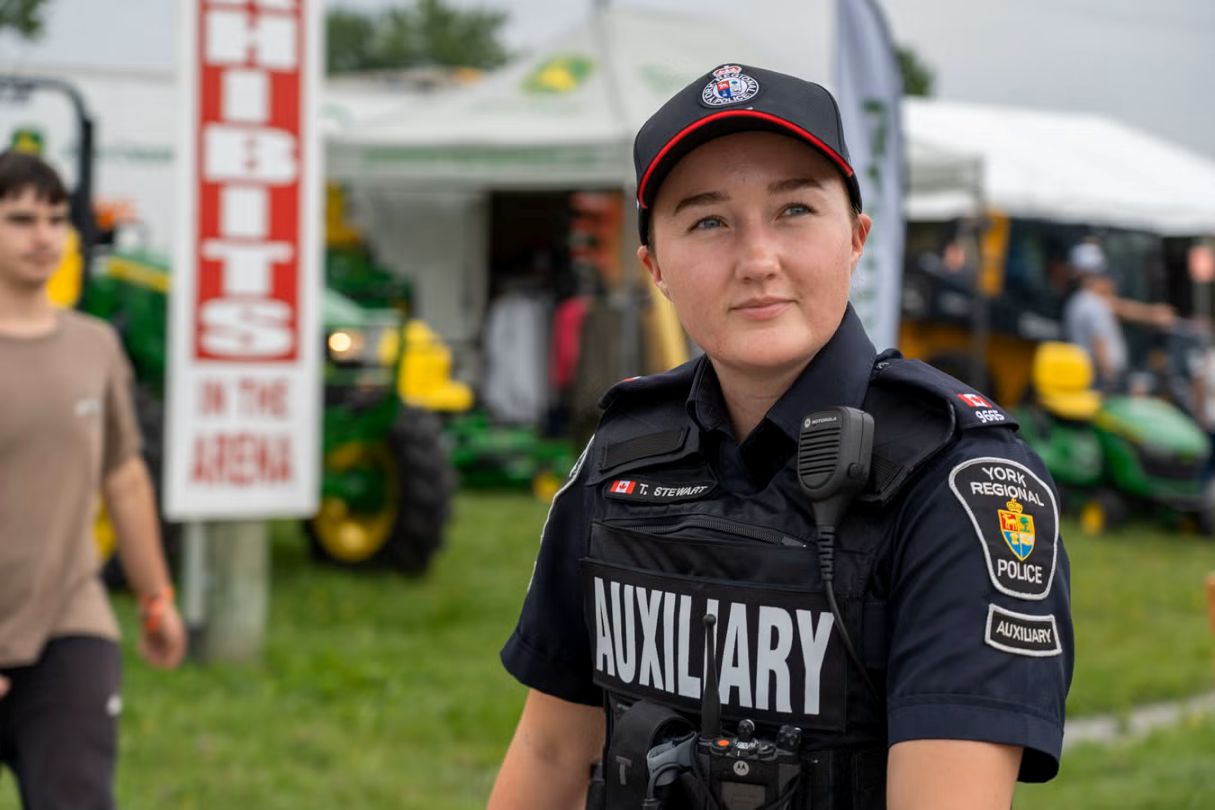
Q: What makes a strong team?
A: “A strong team is one where everyone understands that they depend on each other. As soon as everyone starts playing individually, you lose the flow and morale of the team. It’s important to be able to rely on your teammates, as well as yourself.”
Q: How do you respond after failure?
A: “I like to take a step back from the situation, whether it’s on the field, at work or in my personal life. I try to look at the whole picture, figure out where things went wrong and reflect on what I could have done differently.”
Q: What has softball taught you about yourself?
A: “Softball has taught me to be more confident in myself. I know I have a team relying on me, but I also need to be able to rely on myself. Knowing that I’m physically and mentally capable of doing what I’ve been trained to do has really helped build my confidence.”
Q: What skills from softball have transferred into your role with YRP?
A: “Communication is a big one. In softball, you have to make sure everyone knows where the ball is and what’s happening around them. That’s carried over into my role as an auxiliary constable. Clear communication is really important for keeping yourself and everyone around you safe.
Q: How do you deal with pressure?
A: “I like to take a quiet moment to myself, put on some music and take a couple of deep breaths. I want my team to do well, but I know that won’t happen if I’m worked up. The same thing applies to auxiliary. If I’m feeling pressure, taking a moment to breathe and reset helps me come back focused.”
Learn more about Gabrielle and Taylor on Instagram: Instagram