Impaired Driving
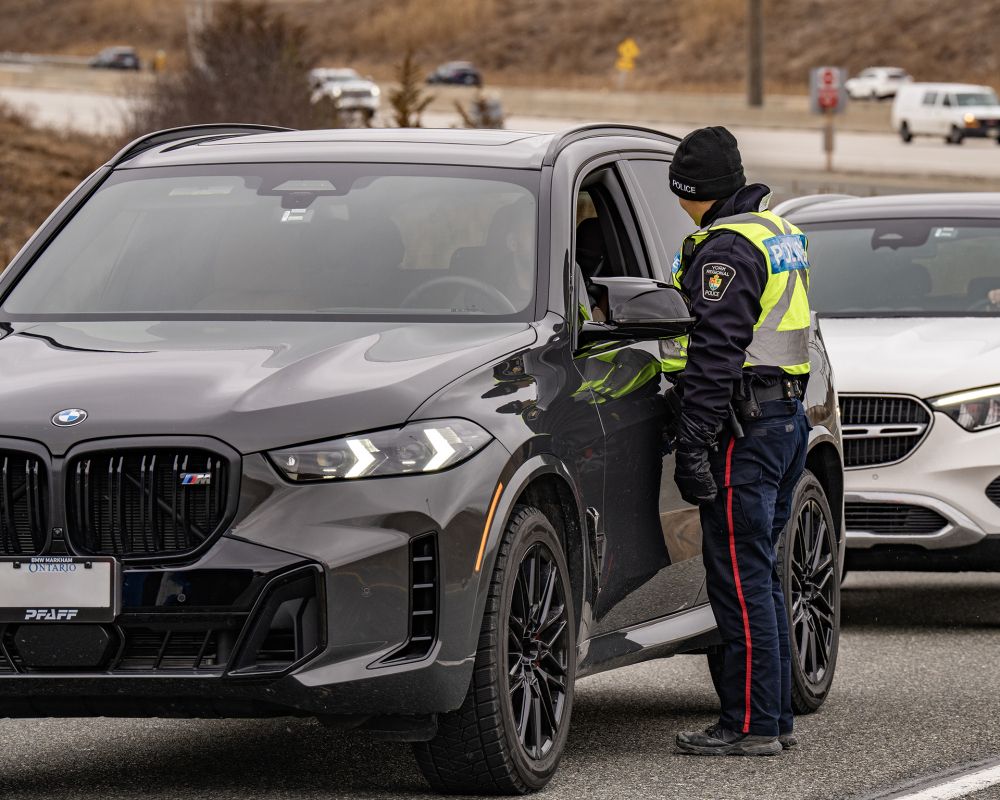
There are no excuses for impaired driving
In 2023, York Regional Police charged a total of 1,350 people with 1,884 impaired-related charges.
The number of impaired drivers over the course of the year marks roughly a six per cent drop from the 1,441 reported in 2022. Despite a slight decrease in the number of arrests year-over-year, these numbers mean our officers are charging three impaired drivers each and every day.
Reporting impaired driving
Every year, roughly 4,000 people call York Regional Police to report a suspected impaired driver.
These calls save lives.
If you think someone is driving impaired, call 9-1-1. Be prepared to report your observations and any detail you can provide about the driver, their location, their vehicle and driving behaviour.
Plan ahead
Consuming alcohol affects everyone differently, and so when it comes to drinking and driving, the simplest approach is the safest: If you drink, do not get behind the wheel. Instead:
- Plan for a designated driver
- Take public transit
- Hire a ride-share service, or taxi
- Call a friend or loved one for a ride
- Stay the night
R.I.D.E. Program
Reduce Impaired Driving Everywhere (R.I.D.E.) is a year-long initiative that ramps up during the festive season, holiday weekends and special events to get impaired drivers off the streets of our region. It involves random roadside checks at strategic locations throughout the region.
The message is clear: IF YOU DRINK OR USE DRUGS, DO NOT DRIVE.
If you are planning to drink, please make arrangements for a taxi or ensure there is a designated driver to get you home safely. Public transportation and overnight accommodations are much cheaper than a lawyer, imposed court fines if found guilty, insurance fees, other provincial costs and the inconvenience of your driver's licence being suspended for a lengthy period of time.
Impaired driving and the law
Impaired driving is a serious criminal offense that endangers lives, and this section outlines the laws, penalties, and responsibilities every driver must understand to stay safe and compliant.
Legal limit
In Ontario, it is against the law for a driver to operate a vehicle with a blood-alcohol concentration (BAC) of 80 mg of alcohol in 100ml of blood. Refusing to provide a breath sample when demanded by police is also a criminal offence.
Police can also suspend your driver's license if a driver is found to have a BAC of 50 to 79mg of alcohol in 100ml blood, which is known as the "warn range."
Drug impaired driving
Drivers may also be impaired by consuming cannabis, prescription medication, over-the-counter or illegal drugs. Police employ specialized tools and tests to determine if a driver is impaired by any substance, and impaired driving related charges may be laid.
Novice drivers
Novice drivers of all ages, and drivers younger than 22 years old, must have a BAC of zero while driving. If found to have alcohol in their blood, a novice driver will face a 24-hour license suspension.
Upon conviction, the driver will face a fine between $60 and $500 and an additional license suspension of at least 30 days. Drivers may also have their licenses withdrawn, and will be forced to begin the process of obtaining a license from the start.
Penalties
Impaired driving carries serious consequences as soon as a driver is charged with an offence. Penalties for first-time offenders include:
- Immediate roadside 90-day suspension
- 7-day vehicle impoundment
- $550 fine
Penalties become more severe for repeat offenders. Learn more about all penalties for impaired driving in Ontario.


